Look beyond the bedtime routine
A free guide to the sensory, environmental and nervous-system factors that shape your autistic child's sleep, from an AHPRA-registered occupational therapist.

You've probably heard it all. Same bedtime every night. No screens. Keep the room dark. Have a consistent routine.
Those things can have a place. But when we're supporting an autistic child, there's a wider picture worth looking at, one that goes beyond what time bedtime is and looks at what bedtime actually feels like for your child. Sleep asks a lot of the nervous system. It has to move from alert to calm before rest is even possible.
Five areas worth exploring
Sensory processing
How your child's own sensory profile shapes their ability to settle.
Sleep environment
The small, sensory-safe adjustments that help a room feel calm rather than alerting.
Predictability
Why the same sequence, every night, is one of the strongest safety signals you can offer.
Transitions
Easing the shift away from something enjoyable into the quiet of bedtime.
Regulation before bedtime
The regulation → calm → sleep pattern, and how to support it.
- The standard sleep advice hasn't really fitted your family
- Your child needs you nearby to fall asleep, and you're not sure why
- Small sensory details, sound, light, textures, seem to matter more than expected
- You'd like to understand the nervous system side of bedtime, not just the routine
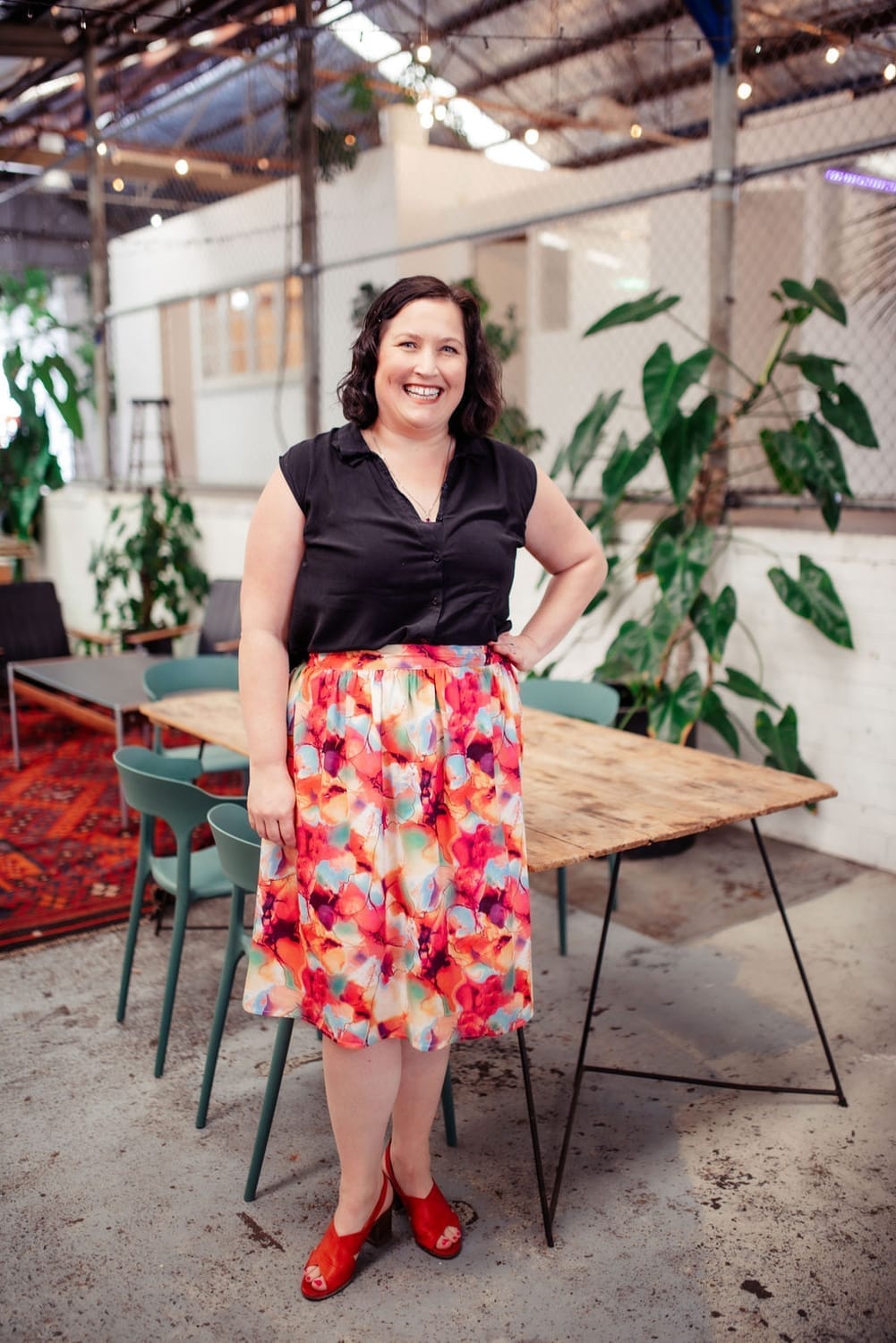
From an AHPRA-registered occupational therapist
Jessinta Benton runs Dream Sleep OT, a paediatric practice with a clinical focus on sleep for neurodiverse children. This guide reflects that same nervous-system-first approach.
Is this based on "cry it out" or strict behavioural methods?
No. This guide takes a nervous-system-first approach and doesn't use shame, punishment or emotionally withdrawing techniques.
My child still needs me in the room to fall asleep. Is that a problem?
Not necessarily. Many autistic children use a parent's presence as a safety signal. The guide covers how to build independence gradually, based on your child's readiness.
How quickly will we see a difference?
Every child is different and results vary. Small, consistent changes tend to work better than big overnight shifts.
Is this guide a substitute for professional support?
No. It's general information, not individual medical or therapeutic advice. If sleep difficulties are ongoing, please speak with your GP, paediatrician or an occupational therapist.
Get the free Autism Sleep Guide
Five areas to explore for your child's sleep, from a clinician's perspective.

