When your child isn’t sleeping, neither are you.
You’ve tried the routines, reward charts, earlier bedtimes and every piece of advice you can find. Yet bedtime still feels overwhelming, nights remain broken and your whole family is running on empty.
Watch this short video to learn why standard sleep advice can fall short for neurodivergent children, and how a paediatric OT looks beyond bedtime behaviour to understand your child’s sensory needs, regulation and daily rhythms.
Takes a few minutes. If your child sounds like a fit, I'll personally call you within 24 hours for a chat.
Bedtime shouldn't take three hours. But right now, it does.
Maybe your child doesn't start winding down until late, no matter what time the routine starts. Maybe they can't seem to tell the difference between wind-down time and play time, so bedtime turns into negotiation, tears, or both. Maybe they settle eventually, then wake through the night and the whole thing starts again.
You've followed the advice. You've been consistent. And when it still doesn't work, it's easy to feel like you're the problem.
You're not. Most sleep advice is written for neurotypical children. When your child's nervous system works differently, the standard playbook was never going to fit. That's the gap I work in.
This is clinical support, built around your whole child.
Clinically trained, actually regulated
Sleep coaching is an unregulated industry. Anyone can print a certificate and call themselves an expert. I'm a paediatric occupational therapist registered with AHPRA, which means clinical training, professional standards and real accountability behind every recommendation I make.
I look at the whole child
Sleep problems rarely start at bedtime. I look at your child's sensory profile, their nervous system and what regulation looks like across their whole day, because that's usually where the real answers are.
Three months, not one appointment
One session can give you information. It can't walk alongside you while you put it into practice. Over three months we build a plan around your actual child and your actual family, and adjust it as we learn what works for them.
More than advice. A plan, and someone in your corner while you follow it.
A deep-dive sensory assessment of your child. Their sensory profile, their regulation across the day, their sleep history and what's already been tried. Understanding first, strategies second.
Fortnightly 1:1 sessions across three months. Enough time to see what's working, troubleshoot what isn't and adjust the plan as your child changes.
A personalised home environment audit. We look at your child's actual bedroom and evening environment, and find what might be quietly working against them.
NDIS-ready clinical documentation. Assessments and reports written to support plan reviews, so the work we do together also works for your funding.
A parent who understands their own child better at the end. The goal is that you're not dependent on me forever. My job is to work myself out of a job.
Is this the right fit for your family?
This could be a good fit if
- You're the parent of a neurodivergent child, or a child with sensory differences
- Sleep has been hard for months or years, not just a rough patch
- Generic sleep advice and sleep training haven't worked, or haven't felt right for your family
- You want a clinically trained practitioner who looks at your whole child, not a printout
It's not the right starting point if
- Your child shows signs of undiagnosed sleep-disordered breathing, like loud snoring, pauses in breathing, or persistent mouth breathing
- Reflux, constipation or other gut symptoms are unmanaged or worsening, and could be driving the waking
- There's any other suspected medical cause that hasn't been investigated yet
In those cases, your GP or paediatrician needs to come first. If your application tells me that's your situation, I'll say so honestly and point you in the right direction instead of taking you on.
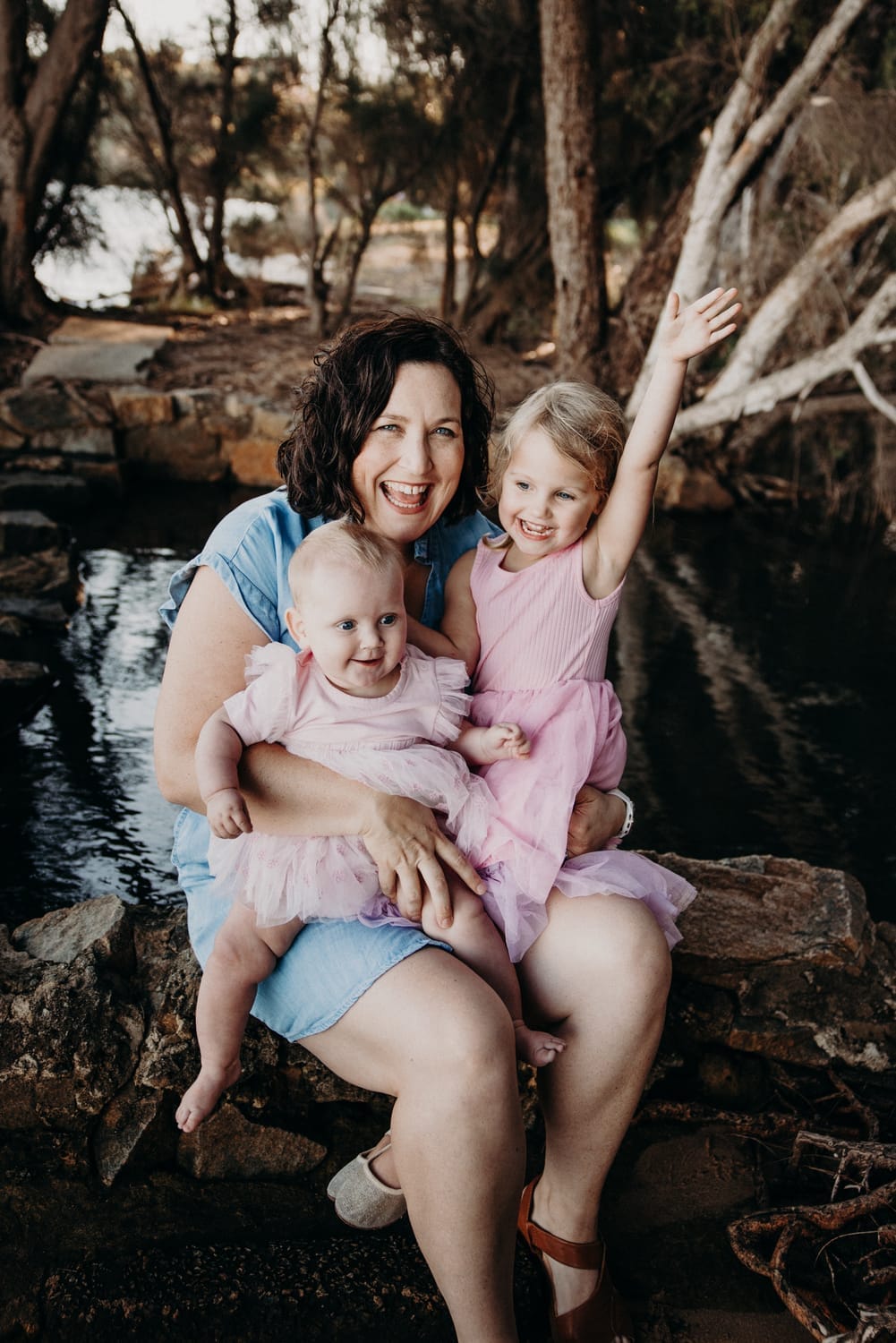
Hi, I'm Jessinta.
I'm a paediatric occupational therapist registered with AHPRA, and sleep support for neurodivergent children is the focus of my clinical work. Everything I walk families through comes from what I see in clinic every week, grounded in current evidence.
I work with families in person in Maylands, Perth, and via telehealth Australia-wide.
AHPRA registered · Maylands, Perth · Telehealth Australia-wide
Apply today. If your child is a fit, you'll hear my voice within 24 hours.
Fill in the application
It takes a few minutes. Tell me about your child, what's been happening with sleep and what you've already tried.
I call you within 24 hours
I read every application personally. If I believe I can genuinely help your child, I'll pick up the phone within a day so we can talk it through properly. If I'm not the right fit, I'll tell you honestly and point you toward who is.
You decide
After we've spoken, you'll have everything you need, including costs, to make the call for your family. Take your time. There's no pressure to decide on the phone.
Funding may be available
NDIS
Support may be accessed by self-managed and plan-managed participants under Improved Daily Living (Category 15).
Medicare
Rebates may be available with a GP Chronic Disease Management Plan. Your GP can advise on eligibility.
Private health
Some policies include OT rebates. Worth a quick call to your insurer.
Private pay
Also completely fine. I'll walk you through all of this after you apply, so don't let the admin stop you.
Before you ask, here are the common ones
Does my child need a formal diagnosis?
No. I work with diagnosed children, children on assessment waitlists, and children with sensory differences who may never have a formal diagnosis. NDIS funding has its own eligibility rules, but working with me does not require a diagnosis.
Does this actually work over telehealth?
Yes, and in some ways it works better. I get to see your child's real bedroom, real routine and real evening, not a clinic version of it. Much of my work is with you as the parent, so distance matters less than you'd think.
Do you work with my child, or with me?
Both, and it depends on their age. For younger children, most of the work happens through you. For older kids and teens, they're often part of the sessions. Either way, you leave understanding your child, not just following instructions.
We've already seen an OT. How is this different?
Most general paediatric OTs touch on sleep as one of many areas. Sleep for neurodivergent children is the focus of my clinical work, which changes how deep the assessment and the plan can go.
How much does it cost?
It depends on the support that's right for your family, and on funding. We'll talk costs openly on our call, and I'll confirm everything in writing before you commit to anything. Applying doesn't obligate you to go ahead.
What if it's not the right fit?
Then I'll tell you that upfront, before you've spent a cent, and point you toward who I think can help. I only call families I genuinely believe I can support. I'd rather send you to the right practitioner than take on a family I'm not confident I can serve.
You don't have to keep white-knuckling bedtime on your own.
Applying costs nothing and commits you to nothing. If your child sounds like a fit, we'll be talking within 24 hours, and you'll get an honest read on whether I can help. Worst case, you've spent a few minutes telling someone who actually understands what your nights look like.
Apply to work with meFree to apply. No obligation. If I can't help, I'll tell you who can.
Not ready to apply yet?
That's completely okay. Leave your details below and I'll send you more information about how I work, so you can decide in your own time. No spam, no pressure, and you can unsubscribe any time.
Or book a time to talk directly
If you'd rather skip the form and grab a time on my calendar yourself, you can do that here.